Professional Rising Damp Wall Treatment in Sydney. Stop it in Its Tracks
Rising Damp Treatment Services Inner West of Sydney and Eastern Suburbs
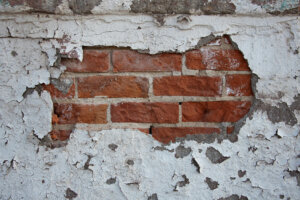
Rising damp can seriously damage brickwork, plaster and rendered walls if the underlying moisture problem isn’t treated correctly. Peeling paint, crumbling render, white salt deposits and persistent damp patches are common signs that moisture may be travelling up your walls. Atlantic Cement Rendering provides professional rising damp treatment in Sydney, including the Inner West and Eastern Suburbs. With two generations of expertise and a dedication to quality workmanship, we help property owners identify damp related problems and determine suitable treatment and wall restoration options. From older brick terraces in Leichhardt and Annandale to Federation homes in Balmain, Rozelle and Drummoyne, our team understands the importance of assessing the masonry before recommending a solution. We focus on addressing the moisture pathway, managing salt contamination where necessary and restoring damaged wall surfaces with a quality finish.

What Causes Rising Damp in Walls?
Rising damp occurs when groundwater moves upwards through porous brickwork and mortar by capillary action. It is often associated with a missing, damaged or ineffective damp proof course. As moisture travels through the wall, it can carry dissolved salts that accumulate in the masonry and surrounding finishes. These deposits may contribute to peeling paint, deteriorating plaster, crumbling render and recurring damp patches. Older properties throughout Sydney’s Inner West can be particularly susceptible because of their traditional masonry construction and the condition of existing moisture barriers. External ground levels, drainage problems and moisture bridging an existing damp-proof course are also likely to contribute. Not every damp wall has rising damp. Plumbing leaks, penetrating moisture and condensation can produce similar symptoms, so identifying the cause is an important first step.
Signs Your Property May Need Rising Damp Treatment
Common warning signs include:
- Damp patches or tide marks near the bottom of walls.
- Bubbling, blistering or peeling paint.
- White, powdery salt deposits on brickwork or plaster.
- Crumbling, loose or deteriorating render.
- Damaged skirting boards and nearby timber.
- Persistent musty smells or recurring mould growth.
An inspection can help establish the likely source of the moisture and the work required to address it.
How Damp Wall Injection Treatment Works
Chemical damp proof injection creates a water repellent barrier within suitable masonry. The injection manual describes a silane based system designed for professional application. Position the injection line correctly to interrupt the path of rising moisture. If the barrier is installed too high, moisture may travel through untreated masonry above or around the treated section.
1 – Assessing the wall We assess the wall construction, thickness, moisture damage and visible salt deposits before treatment. Locate pipes and electrical cables before drilling to reduce the risk of damage.
2 – Preparing the injection holes Drilling methods depend on the masonry type. Solid brick, dense sandstone and extruded brickwork may require different approaches to help distribute the product through the intended treatment zone.
3 – Applying the damp-proofing product Inject the silane based product using suitable equipment and according to the manufacturer’s instructions. The application method depends on the substrate, wall condition and moisture levels.
4 – Managing salt contamination Injection helps restrict further moisture rising through the treated section, but it does not automatically remove salts already present in the wall. Additional salt remediation and removal of contaminated finishes may be necessary.
5 – Completing the repairs Once injection is complete, fill the holes with suitable mortar or masonry material. Then assess the wall for drying and any essential re-rendering or surface repairs. Apply new finishes only when the wall and treatment are ready.